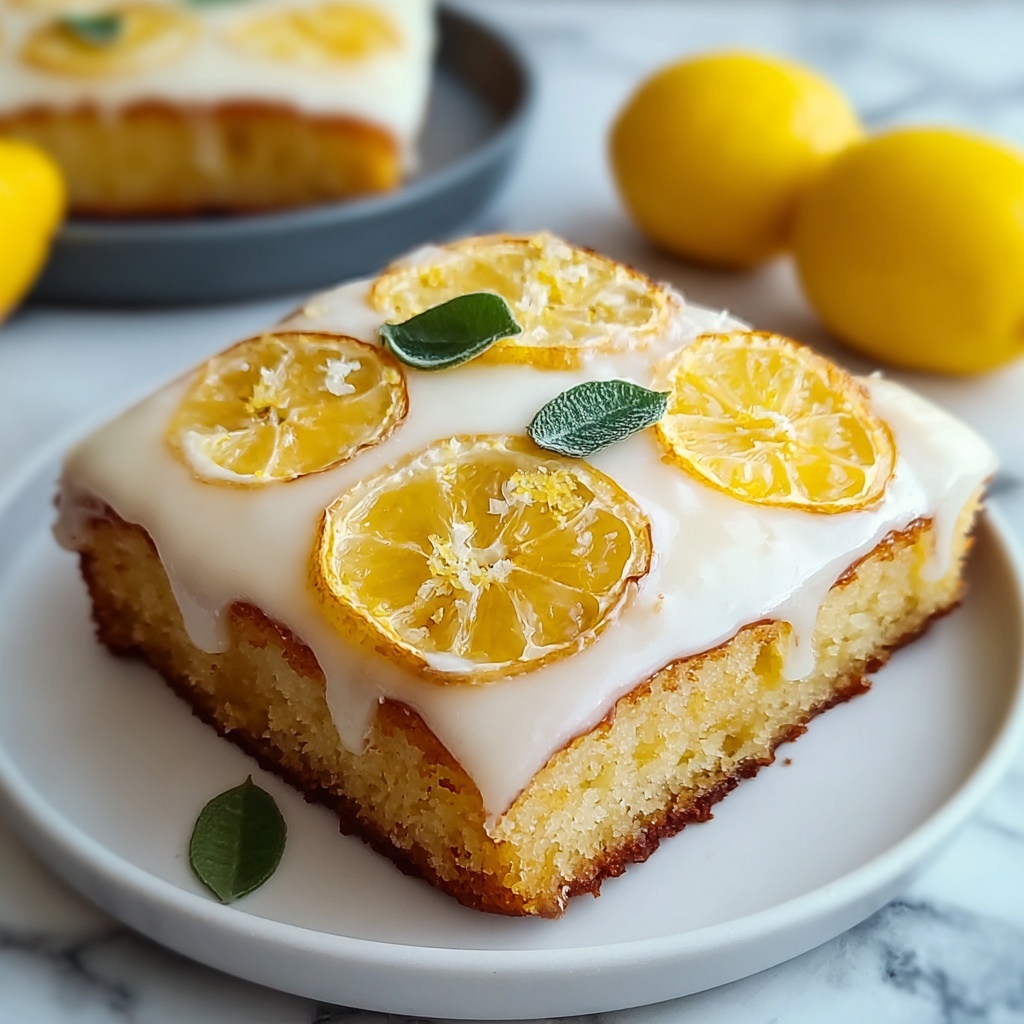
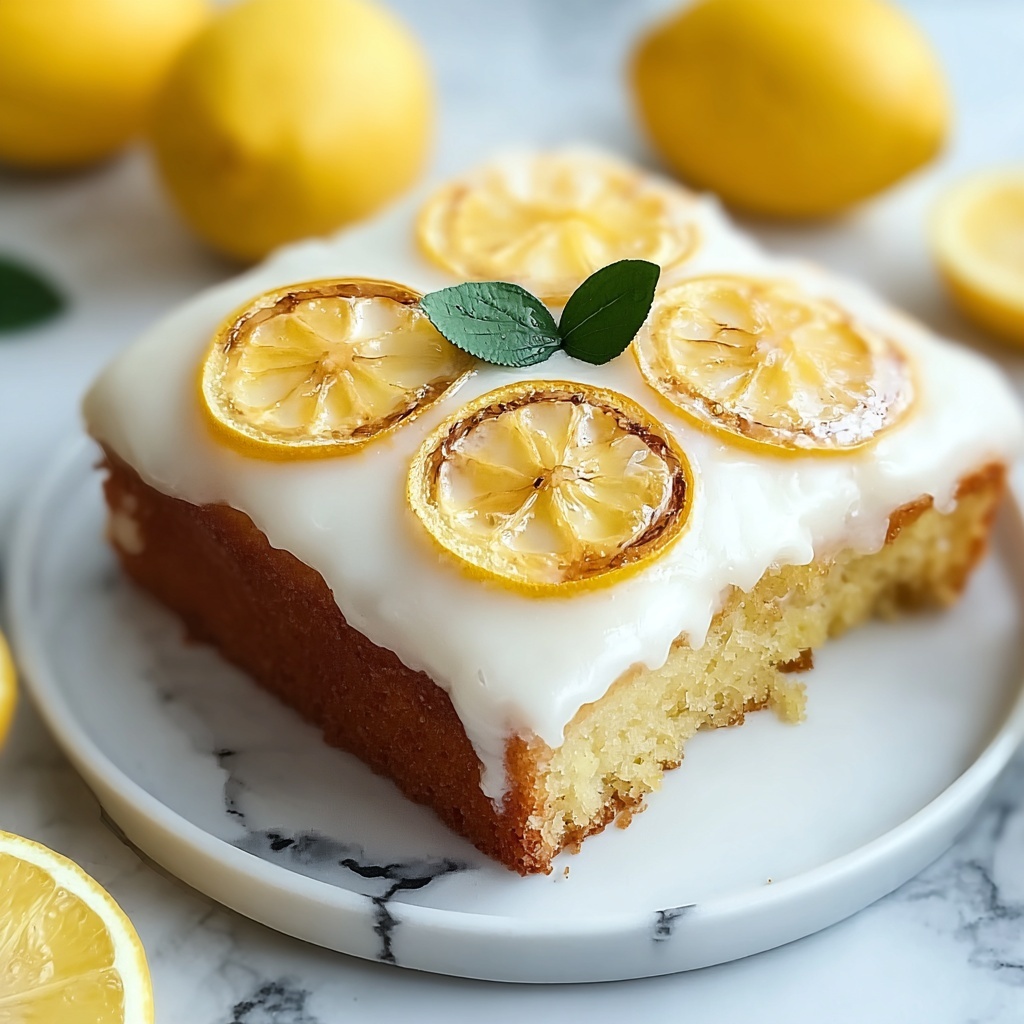
There is something truly magical about a bright, zesty lemon cake that instantly lifts your spirits. This Lemon Cake Recipe is one of my absolute favorites to make when I want something sweet but fresh and vibrant. The luscious lemon flavor bursts through a tender, moist crumb, making every bite a little celebration. It’s simple enough for any home baker to tackle yet sophisticated enough to impress guests. If you’re craving a dessert that combines tangy lemon with soft cake perfection, this is the recipe you’ll want to keep on hand!
Ingredients You’ll Need
Gathering the right ingredients for this Lemon Cake Recipe couldn’t be easier, and each one plays a key role in delivering that irresistible texture and flavor. From the buttery softness to the perfect balance of lemon zest and juice, these elements come together beautifully.
- All-purpose flour: The backbone of the cake providing structure and a tender crumb.
- Baking powder: Gives the cake a light rise and fluffy texture.
- Baking soda: Works with the acidic buttermilk to tenderize the cake and enhance rise.
- Salt: Balances sweetness and intensifies flavor.
- Unsalted butter: Adds moisture and a rich, creamy taste.
- Granulated sugar: Sweetens the batter while contributing to tenderness.
- Large eggs: Provide structure and a silky texture.
- Lemon zest: Packs in concentrated lemon aroma and bright flavor.
- Fresh lemon juice: Adds tang and activates the leavening agents.
- Vanilla extract: Complements the lemon’s sharpness with a warm, mellow note.
- Buttermilk: Keeps the cake wonderfully moist and tender with a subtle tang.
How to Make Lemon Cake Recipe
Step 1: Prepare Your Pans and Oven
Start by preheating your oven to 350°F (175°C). Grease two 9-inch round cake pans thoroughly with butter or a non-stick spray, then lightly dust them with flour and tap out any excess. This extra step ensures your cakes will pop out beautifully after baking, preserving those perfect edges we all love.
Step 2: Mix Dry Ingredients
In a medium bowl, whisk together the all-purpose flour, baking powder, baking soda, and salt. This blend will give your cake that lift and the ideal crumb texture, so make sure these are well combined before moving on.
Step 3: Cream Butter and Sugar
Using an electric mixer, beat the softened butter with the granulated sugar on medium speed until the mixture becomes light and fluffy. This can take about 4 to 5 minutes — don’t rush it! Achieving this fluffiness is crucial for a tender, airy cake.
Step 4: Add Eggs One by One
Beat in the eggs one at a time, ensuring each one is fully incorporated before adding the next. This slow addition helps maintain a smooth batter and ensures the cake holds together beautifully.
Step 5: Incorporate Lemon and Vanilla
Mix in your freshly grated lemon zest, fresh lemon juice, and vanilla extract. This combination is what truly sets this lemon cake apart, infusing each mouthful with a bright, sunny flavor that’s irresistible.
Step 6: Alternate Adding Dry Ingredients and Buttermilk
Gradually add the dry flour mixture to the wet ingredients in thirds, alternating with half portions of the buttermilk — beginning and ending with the dry ingredients. Be sure to mix on low speed to prevent overworking the batter, which can make the cake dense rather than light and fluffy.
Step 7: Smooth the Batter
Once all ingredients are incorporated, increase the mixer speed to medium for about 10 to 15 seconds just to ensure your batter is perfectly smooth and ready to bake.
Step 8: Fill the Pans
Divide the batter evenly between the two prepared pans, smoothing the top gently with a spatula to create an even surface that will bake uniformly.
Step 9: Bake the Cakes
Bake your cakes on the middle rack of the oven for 30 to 35 minutes. You’ll know they’re done when a toothpick inserted into the center comes out clean or with only a few moist crumbs attached—perfectly baked and ready to cool.
Step 10: Cool the Cakes
Let the cakes rest in their pans for about 10 minutes after baking. Then, carefully turn them out onto wire racks to cool completely. Cooling fully prevents your frosting from melting and helps your cakes maintain their tender texture.
Step 11: Frost and Assemble
Once cooled, you can frost and assemble your lemon cakes as you prefer. A light cream cheese frosting or a lemon glaze both complement this cake wonderfully. Go with what your heart desires!
How to Serve Lemon Cake Recipe
Garnishes
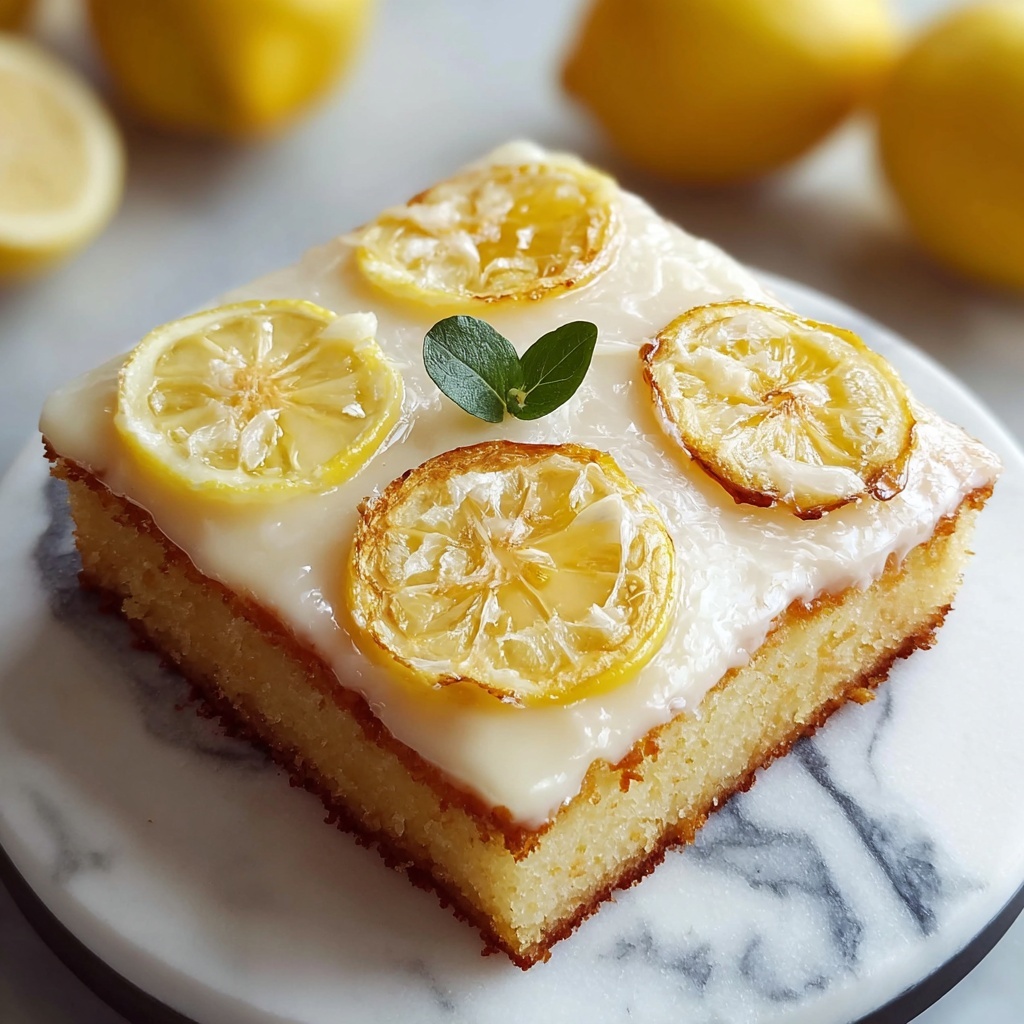
A sprinkle of powdered sugar, thin lemon slices, or a few fresh mint leaves instantly elevate your lemon cake serving. These simple garnishes add visual appeal and an extra burst of fresh flavor that guests will adore.
Side Dishes
Pair the cake with fresh berries or a dollop of whipped cream for a refreshing contrast. A cup of hot tea or a bright citrusy cocktail also makes for a delightful accompaniment when sharing this Lemon Cake Recipe during afternoon gatherings or celebrations.
Creative Ways to Present
For a stunning presentation, try layering the cake with lemon curd between layers or serve mini individual lemon cake trifle cups for a fun twist. You can also drizzle a shiny lemon glaze over the top just before serving to give it that irresistible gleam that says “eat me now!”
Make Ahead and Storage
Storing Leftovers
Your leftover lemon cake will stay moist and flavorful for several days if stored properly. Wrap it tightly in plastic wrap or keep it in an airtight container at room temperature for up to 3 days. Just be sure to keep it away from direct sunlight or heat.
Freezing
If you want to enjoy this Lemon Cake Recipe later, freeze slices wrapped securely in plastic wrap and then foil. They can last up to 3 months in the freezer. When ready, thaw overnight in the fridge for best results.
Reheating
To bring your lemon cake back to life after refrigeration or freezing, warm it gently in the microwave for about 10 to 15 seconds per slice. This will revive its softness without drying it out.
FAQs
Can I use regular milk instead of buttermilk?
Yes, you can substitute regular milk mixed with a tablespoon of lemon juice or vinegar to mimic buttermilk’s acidity, which helps tenderize the cake and activate the leavening agents.
How do I get a more intense lemon flavor?
Using fresh lemon zest is key because it holds the essential oils that pack the most flavor. You can also increase the lemon juice slightly or add a lemon glaze for an extra punch of citrus.
Can this recipe be made gluten-free?
Absolutely! Swap the all-purpose flour for a gluten-free baking blend that includes xanthan gum. However, be mindful that baking times might differ slightly, so keep an eye on the cake as it bakes.
Is it okay to use frozen lemon juice?
Freshly squeezed lemon juice is best for brightness, but if frozen lemon juice is all you have, it will still work just fine. Just make sure it’s fully thawed and stirred before using.
What frosting pairs best with this Lemon Cake Recipe?
Cream cheese frosting is a classic choice that complements the tangy lemon beautifully. Alternatively, a simple lemon glaze or vanilla buttercream will also work wonderfully depending on your sweetness preference.
Final Thoughts
I hope you feel inspired to bake this delightful Lemon Cake Recipe and enjoy its perfect blend of tangy and sweet flavors. It’s one of those cakes that feels like sunshine on a plate, and I guarantee it will become a favorite in your kitchen as it is in mine. Happy baking and even happier tasting!
Print
Lemon Cake Recipe
- Prep Time: 0h 15m
- Cook Time: 0h 35m
- Total Time: 0h 50m
- Yield: Two 9-inch cake layers (serves 8-12)
- Category: Dessert
- Method: Baking
- Cuisine: American
Description
This classic Lemon Cake is a moist and flavorful dessert featuring a tender crumb infused with fresh lemon zest and juice. Made with simple pantry ingredients like all-purpose flour, butter, and buttermilk, this cake offers a perfect balance of sweetness and citrus tang. Ideal for celebrations or an everyday treat, it bakes up beautifully in two layers, ready to be frosted and enjoyed.
Ingredients
Dry Ingredients
- 2 1/2 cups all-purpose flour
- 1 1/2 teaspoons baking powder
- 1/2 teaspoon baking soda
- 1/2 teaspoon salt
Wet Ingredients
- 1 cup unsalted butter, softened
- 1 1/2 cups granulated sugar
- 4 large eggs
- 1 tablespoon lemon zest
- 1/4 cup fresh lemon juice
- 1 teaspoon vanilla extract
- 1 cup buttermilk
Instructions
- Prepare Pans: Preheat your oven to 350°F (175°C) and grease two 9-inch round cake pans with butter or non-stick spray. Lightly dust the pans with flour and tap out any excess to prevent sticking.
- Mix Dry Ingredients: In a medium bowl, whisk together the all-purpose flour, baking powder, baking soda, and salt. Set this mixture aside.
- Cream Butter and Sugar: In a large mixing bowl, use an electric mixer to beat the softened butter and granulated sugar on medium speed until light and fluffy, about 4-5 minutes.
- Add Eggs: Add the eggs one at a time, beating well after each addition, ensuring each egg is fully incorporated before adding the next.
- Add Flavors: Mix in the lemon zest, fresh lemon juice, and vanilla extract until fully combined.
- Combine Dry and Wet Ingredients: Gradually add the dry flour mixture to the wet ingredients, alternating with the buttermilk. Start with a third of the dry ingredients, then half of the buttermilk, and continue alternating until all are incorporated. Begin and end with dry ingredients. Mix on low speed to avoid overmixing.
- Final Mix: Increase mixer speed to medium for 10-15 seconds to ensure the batter is smooth and fully combined.
- Divide Batter: Evenly divide the batter between the two prepared cake pans and smooth into an even layer.
- Bake: Place pans on the middle rack of the preheated oven and bake for 30-35 minutes, or until a toothpick inserted in the center comes out clean or with a few moist crumbs.
- Cool Cakes: Remove cakes from oven and allow to cool in pans for 10 minutes. Then turn cakes out onto a wire rack to cool completely.
- Assemble and Frost: Once cooled, frost and assemble the cake layers as desired for serving.
Notes
- Ensure butter is softened but not melted for best creaming results.
- Do not overmix the batter once the dry and wet ingredients are combined to maintain a tender crumb.
- Use fresh lemon zest and juice for the brightest lemon flavor.
- Baking times can vary, so check doneness early with a toothpick test to prevent overbaking.
- This cake can be frosted with cream cheese frosting or lemon glaze for enhanced lemon flavor.