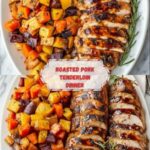
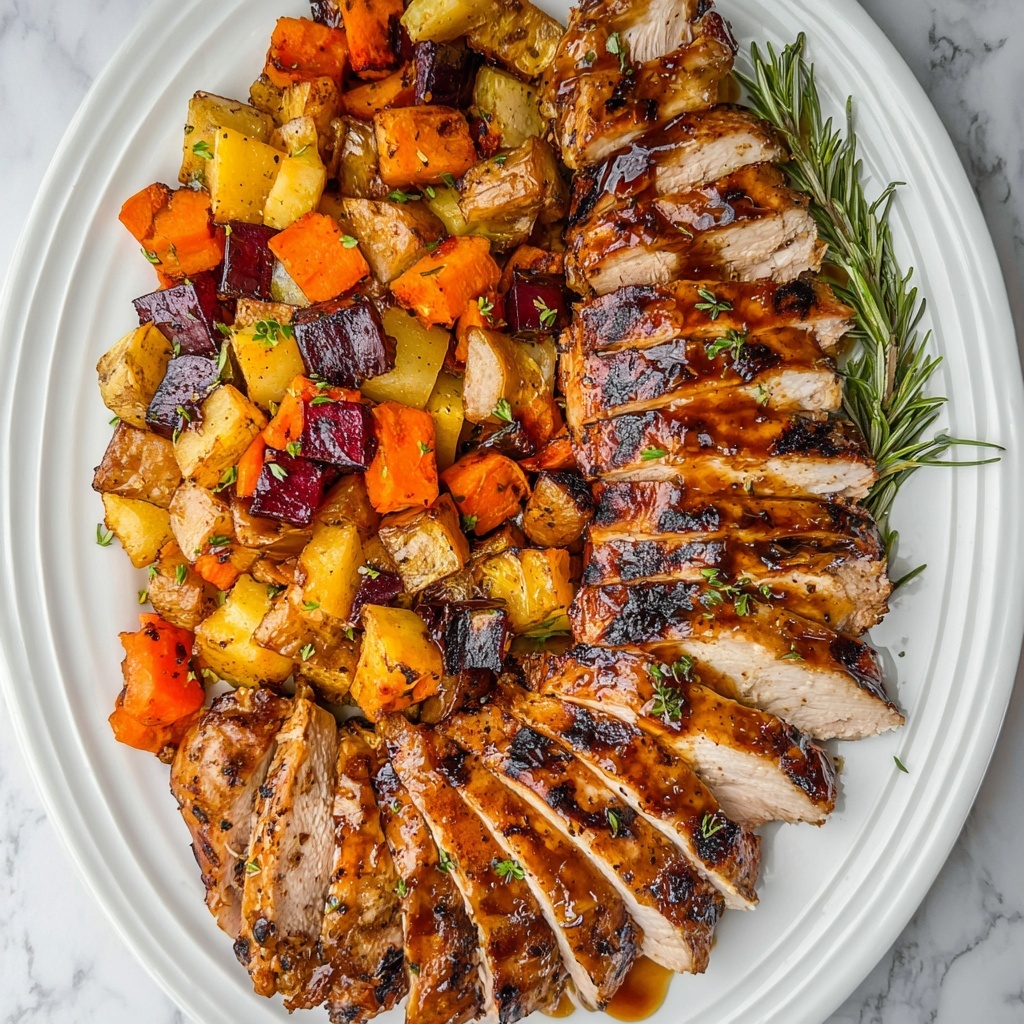
If you are craving a dish that perfectly balances sweet, savory, and tangy flavors all in one bite, then you absolutely must try this Roasted Apple Cider Pork Tenderloin with Balsamic Glaze and Roasted Vegetables Recipe. The pork tenderloin marinates in crisp apple cider and rich balsamic vinegar, creating a tender, flavorful main course that pairs beautifully with caramelized apples, hearty Yukon gold potatoes, and sweet carrots. This recipe is a true celebration of seasonal produce and simple ingredients elevated to something truly special.
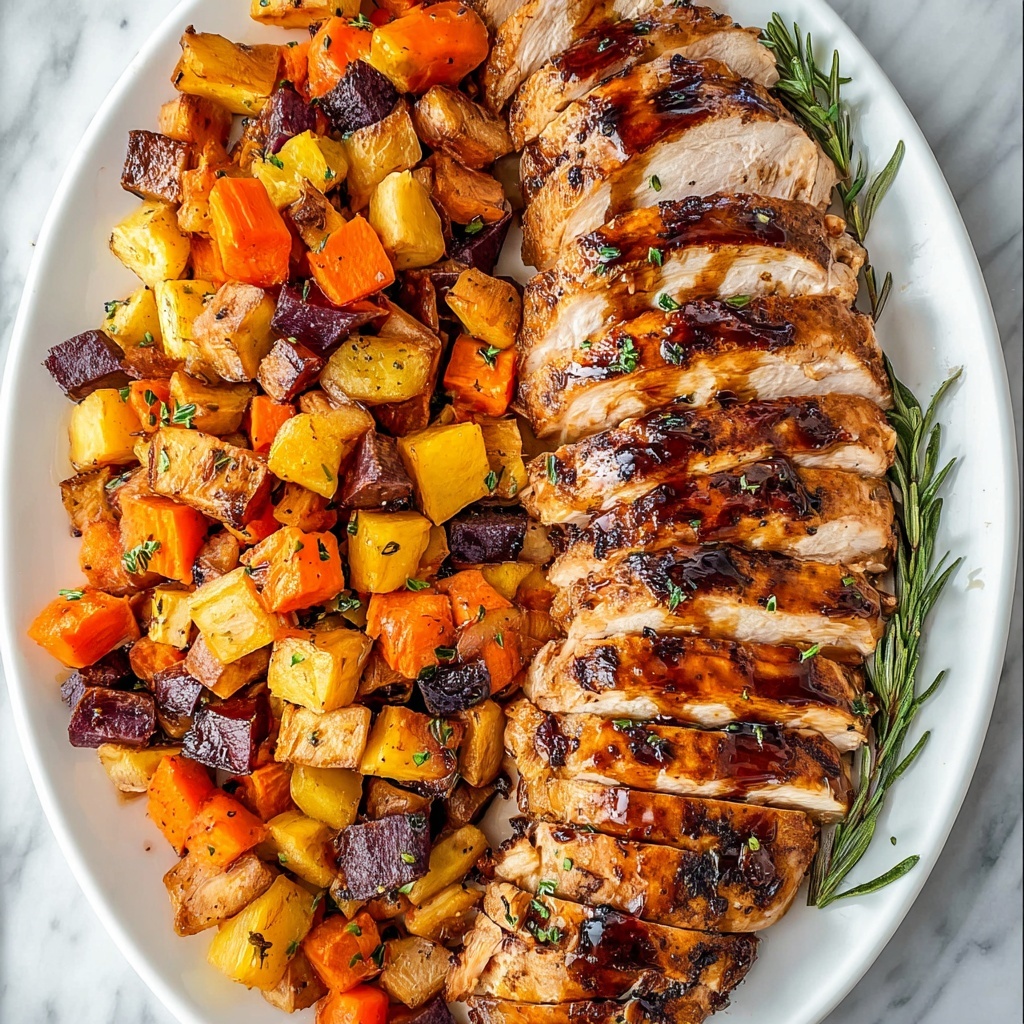
Ingredients You’ll Need
Gathering the essentials for this dish is simple, but each component plays a crucial role in building layers of flavor, adding texture, and bringing vibrant color to your plate.
- 3 pounds pork tenderloin: The star protein, lean and tender, perfect for soaking up the marinade.
- 2 cups apple cider: Adds subtle sweetness and a hint of fruitiness that compliments the pork.
- 1/4 cup balsamic vinegar: Brings acidity and depth that balance the sweetness from the cider and apples.
- 4 tablespoons olive oil, divided: Used for marinating and roasting, it helps develop a golden crust and moist vegetables.
- 1 teaspoon sea salt, divided: Enhances all the flavors naturally without overpowering the dish.
- 1/2 teaspoon ground black pepper, divided: Adds a gentle kick of warmth to every element.
- 2 pounds Yukon gold potatoes: Creamy and buttery when roasted, they soak up the tastes from the pan.
- 2 large carrots: Sweet and earthy, they add beautiful contrast and texture.
- 2 large Honeycrisp or Pink Lady apples: Their crispness and sweet-tart flavor brighten the dish.
- 1 teaspoon Italian seasoning: A mix of herbs that injects savory notes to the vegetables.
- 3 tablespoons butter: Used to make a luscious gravy that ties all the flavors together.
- 1 1/2 tablespoons all-purpose flour: Thickens the gravy for that perfect finishing touch.
How to Make Roasted Apple Cider Pork Tenderloin with Balsamic Glaze and Roasted Vegetables Recipe
Step 1: Preheat and Prepare
Start by heating your oven to a toasty 450 degrees F, ensuring it’s hot enough to give your vegetables a beautiful roast and your tenderloin a nice sear later on. This heat will help develop those incredible caramelized edges you want in this dish.
Step 2: Marinate the Pork
Patting the pork tenderloin dry helps the marinade cling better and promotes browning. Then, combine the apple cider, balsamic vinegar, half of your olive oil, salt, and pepper in a large bag or container with the pork. Let it soak in all that flavor for 30 minutes while prepping the veggies. This step really infuses the meat with a lovely balance of sweet and tangy notes.
Step 3: Chop Vegetables and Apples
Wash and cut the Yukon gold potatoes, carrots, and apples into uniform half-inch pieces. This ensures even roasting so everything finishes at the same time. Having those apples roasted alongside adds a juicy sweetness that makes this recipe so memorable.
Step 4: Season and Roast Vegetables
Toss your chopped potatoes, carrots, and apples with the remaining olive oil, Italian seasoning, salt, and pepper. Spread them out evenly on a rimmed baking sheet, giving space so each piece can crisp up nicely. Roast for 25 minutes, which gets them halfway cooked and perfectly tender with a little bite.
Step 5: Sear the Pork Tenderloin
While your vegetables roast, heat a heavy skillet over medium-high to high heat until it’s nearly smoking. Add the pork tenderloins and sear for about 2 minutes on each side. This step locks in the juices and creates that gorgeous browned crust. Keep the marinade handy—you’ll turn it into a luscious gravy soon.
Step 6: Combine and Continue Roasting
Once the vegetables have roasted for 25 minutes, give them a good toss with a spatula and spread them into a neat layer. Nestle the seared tenderloins right on top, then return the baking sheet to the oven. Roast for another 20 to 25 minutes until the pork reaches a juicy internal temperature of 145 to 160 degrees F.
Step 7: Rest the Meat
It’s tempting to slice immediately, but resting your tenderloin for 10 minutes allows the juices to redistribute within the meat for maximum tenderness and flavor. This is a non-negotiable step for any perfect pork roast.
Step 8: Make the Balsamic Gravy
While the pork rests, reuse your skillet from searing over medium heat, melting in butter to start your gravy base. Whisk in flour to create a roux, then slowly add the marinade in halves while whisking constantly. Let it simmer steadily until thickened and glossy, making a rich sauce that ties together the tangy glaze and roasted vegetables flawlessly.
Step 9: Serve and Enjoy
Slice the tenderloin, plate it alongside heaps of roasted veggies and apples, and generously drizzle with your homemade balsamic glaze gravy. Each bite offers a symphony of flavors and textures, from the juicy meat to the sweet and savory roasted sides.
How to Serve Roasted Apple Cider Pork Tenderloin with Balsamic Glaze and Roasted Vegetables Recipe
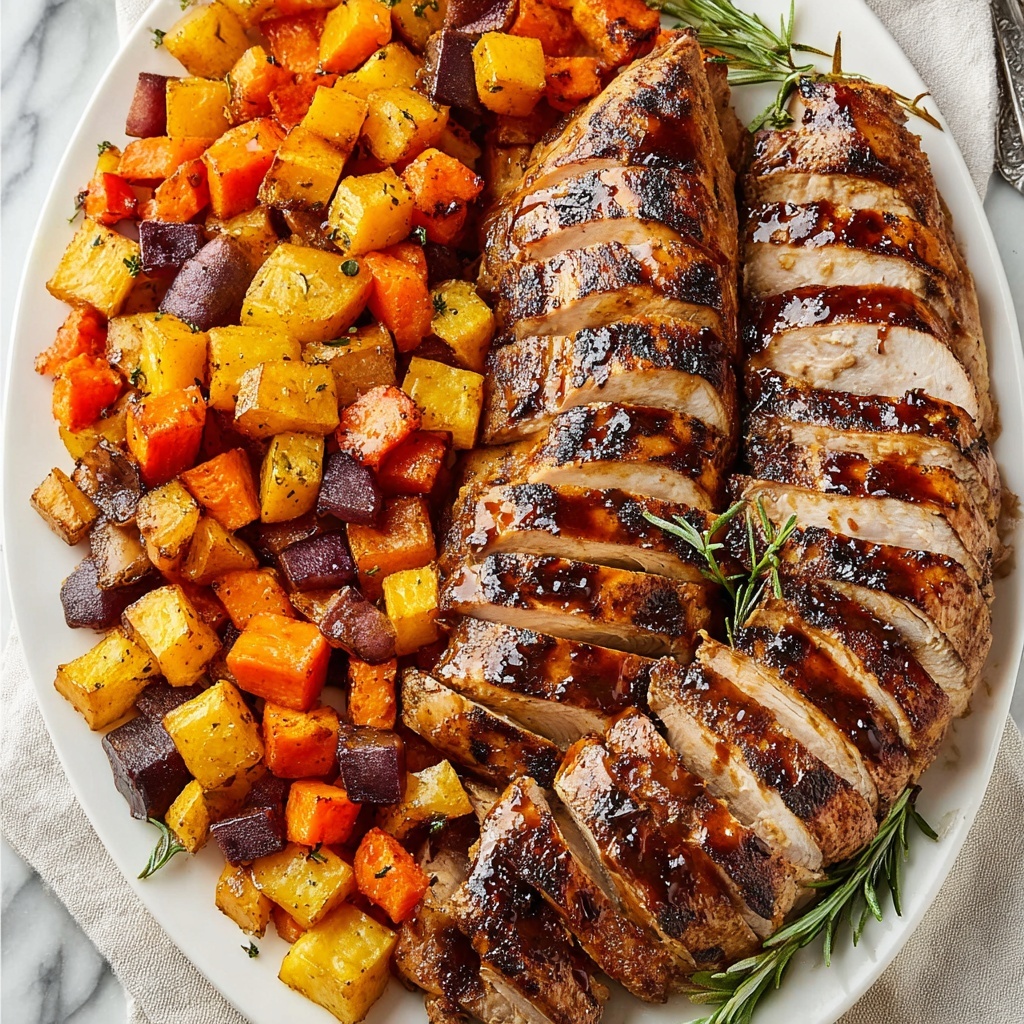
Garnishes
Sprinkle freshly chopped parsley or thyme leaves over the pork and vegetables before serving. These herbs add a lovely pop of green and a fresh, slightly earthy aroma that lifts the dish. For a festive touch, you could also add thin apple slices or a few whole roasted garlic cloves.
Side Dishes
While the roasted vegetables are the perfect accompaniment, you could add a simple green salad with a light vinaigrette to balance the richness, or a warm crusty bread to soak up all the glorious balsamic gravy. Mashed cauliflower or creamy polenta are also fantastic options if you want to switch things up.
Creative Ways to Present
For a stunning presentation, arrange the pork slices fanned out on a wooden cutting board surrounded by the colorful roasted veggies and apples. Drizzle the balsamic glaze in a zigzag pattern on the plate and finish with a few microgreens. This approach makes it feel extra special for guests or holiday meals.
Make Ahead and Storage
Storing Leftovers
Place any leftover pork and roasted vegetables in airtight containers and store them in the refrigerator. They will keep well for up to 3 days, making for quick and delicious next-day lunches or dinners.
Freezing
If you want to save portions for longer, you can freeze cooked pork slices and vegetables separately in freezer-safe containers for up to 3 months. Thaw overnight in the fridge before reheating for best texture and flavor.
Reheating
Reheat leftovers gently in the oven at 325 degrees F or in a covered skillet on low heat. Adding a splash of water or broth helps keep the meat moist, and warming the gravy separately and pouring over just before serving brings back that fresh-made taste.
FAQs
Can I use another cut of pork for this recipe?
While pork tenderloin is ideal because it cooks quickly and stays tender, you can try pork loin or pork chops; just adjust cooking times accordingly to avoid dryness.
What if I don’t have apple cider on hand?
If you can’t find apple cider, you can use fresh apple juice or a combination of apple juice and a splash of white wine vinegar to mimic the tang and sweetness.
How do I know when the pork tenderloin is fully cooked?
The best way is to use an instant-read thermometer. The safe internal temperature for pork tenderloin is 145 degrees F, but going up to 160 degrees F will yield more well-done meat, though it might be slightly less juicy.
Can this recipe be made gluten-free?
Absolutely! Simply substitute the all-purpose flour used for the gravy with a gluten-free flour or cornstarch slurry, and make sure your seasonings and broths don’t contain gluten.
Is it possible to prepare this dish without roasting the vegetables separately first?
While roasting the vegetables first ensures they cook evenly and develop caramelized edges, you can add them with the pork at the start. Just be aware they may be softer and less caramelized.
Final Thoughts
This Roasted Apple Cider Pork Tenderloin with Balsamic Glaze and Roasted Vegetables Recipe is one of those dishes that feels like a warm hug on a plate—comforting yet sophisticated, simple yet bursting with flavor. You’ll find yourself reaching for it over and over, whether for a cozy family dinner or an impressive weekend feast. I truly hope you give it a try and discover just how magical these ingredients come together.
Print
Roasted Apple Cider Pork Tenderloin with Balsamic Glaze and Roasted Vegetables Recipe
- Prep Time: 25 minutes
- Cook Time: 45 minutes
- Total Time: 1 hour 10 minutes
- Yield: 8 servings
- Category: Main Course
- Method: Roasting
- Cuisine: American
Description
This Roasted Apple Cider Pork Tenderloin recipe features juicy pork tenderloin marinated in apple cider and balsamic vinegar, roasted alongside seasoned Yukon gold potatoes, carrots, and apples. The dish is complemented by a rich homemade gravy made from the marinade, butter, and flour, resulting in a perfectly balanced, flavorful meal that yields 8 servings.
Ingredients
Pork and Marinade
- 3 pounds pork tenderloin
- 2 cups apple cider
- 1/4 cup balsamic vinegar
- 4 tablespoons olive oil, divided
- 1 teaspoon sea salt, divided
- 1/2 teaspoon ground black pepper, divided
Vegetables and Fruits
- 2 pounds Yukon gold potatoes
- 2 large carrots
- 2 large honey crisp or pink lady apples
- 1 teaspoon Italian seasoning
Gravy
- 3 tablespoons butter
- 1 1/2 tablespoons all purpose flour
Instructions
- Preheat Oven: Preheat the oven to 450 degrees Fahrenheit to prepare for roasting the vegetables and pork tenderloin.
- Marinate Pork Tenderloin: Pat the pork tenderloin dry with paper towels. Place it in a large zip-top bag or Tupperware with apple cider, balsamic vinegar, 2 tablespoons of olive oil, 1/2 teaspoon sea salt, and 1/4 teaspoon black pepper. Let it marinate for 30 minutes while preparing the vegetables to infuse flavor and tenderize the meat.
- Prepare Vegetables and Apples: Wash and cut the Yukon gold potatoes, carrots, and apples into 1/2-inch pieces. Arrange them on a large rimmed baking sheet for roasting.
- Season and Roast Vegetables: Toss the cut potatoes, carrots, and apples with 2 tablespoons olive oil, 1 teaspoon Italian seasoning, 1/2 teaspoon sea salt, and 1/4 teaspoon black pepper. Spread them evenly on the baking sheet and bake for 25 minutes to start cooking and caramelize the vegetables and apples.
- Brown Pork Tenderloin: While vegetables roast, heat a large skillet over medium-high heat. Once hot, add the marinated tenderloin and brown all sides for about 2 minutes per side to develop a rich crust. Reserve the marinade for making the gravy.
- Combine and Continue Roasting: Remove the vegetables from the oven and toss with a spatula. Spread them evenly again and place the browned pork tenderloins on top. Return to the oven and roast for an additional 20 to 25 minutes until the internal temperature of the pork reaches 145 to 160 degrees Fahrenheit, ensuring it is cooked to safe and juicy perfection.
- Rest Pork Tenderloin: Remove the tenderloin from the oven and let it rest for 10 minutes. Resting allows the juices to redistribute for a moist and tender slice.
- Make Gravy: While the meat rests, heat the skillet used for browning over medium heat. Add the butter and melt it, then whisk in the flour to form a roux. Gradually add the reserved marinade, half a cup at a time, whisking continuously until smooth. Let the mixture simmer for 7 to 8 minutes until thickened and flavorful.
- Serve: Slice the pork tenderloin and serve it with roasted vegetables and apples on the side. Drizzle generously with the warm apple cider gravy to complete this comforting meal.
Notes
- Use an instant-read thermometer to ensure pork reaches a safe internal temperature (145-160°F).
- Letting the meat rest before slicing enhances juiciness.
- Honey crisp or pink lady apples are recommended for balance of sweetness and tartness.
- Cast iron skillet preferred for even browning of the meat.
- You can substitute chicken broth for remaining marinade if you prefer less acidity in the gravy.