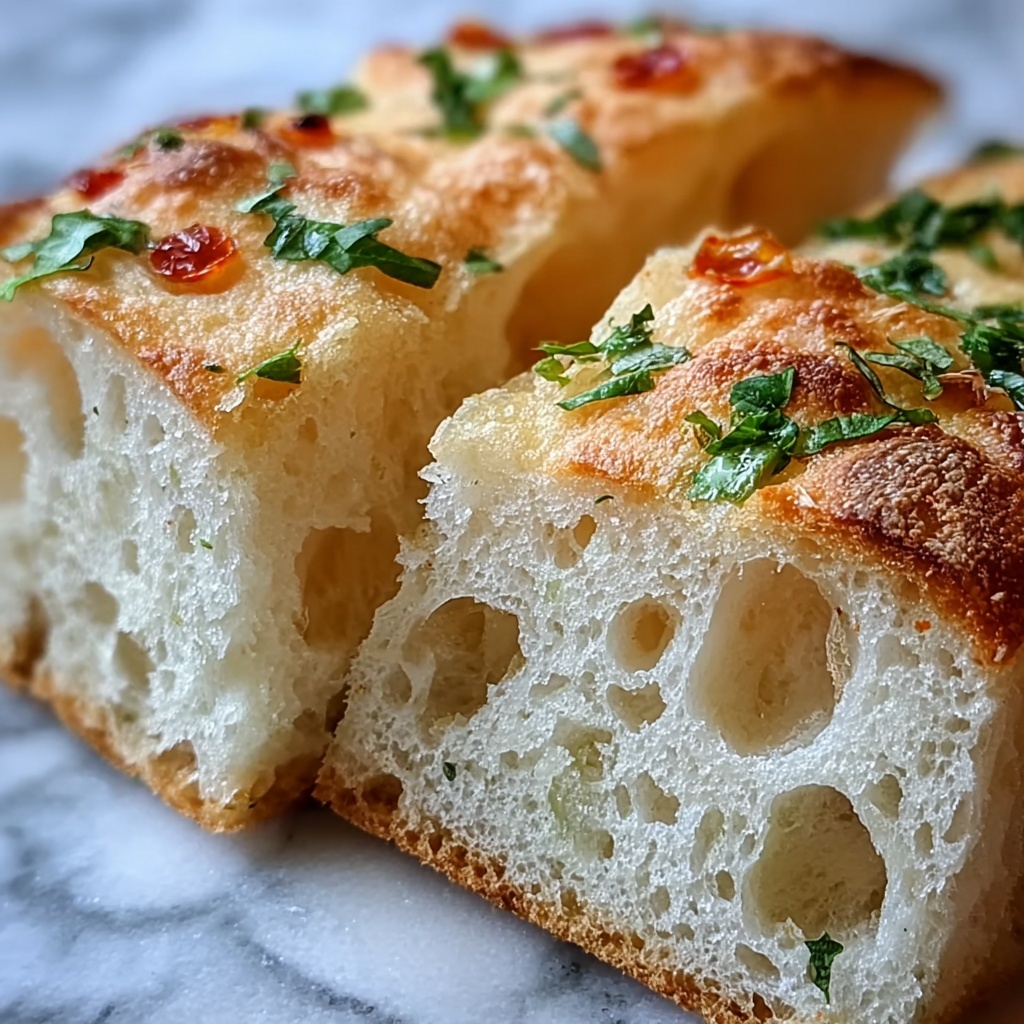
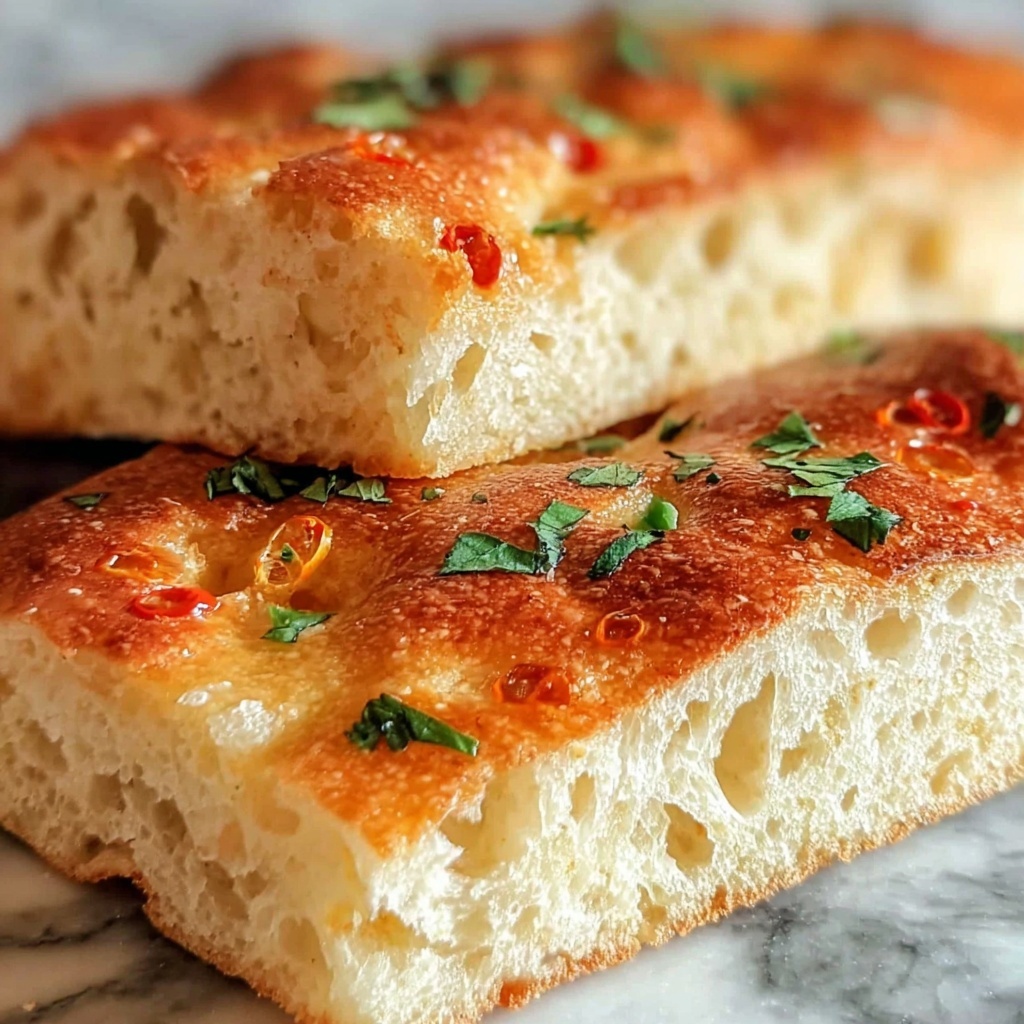
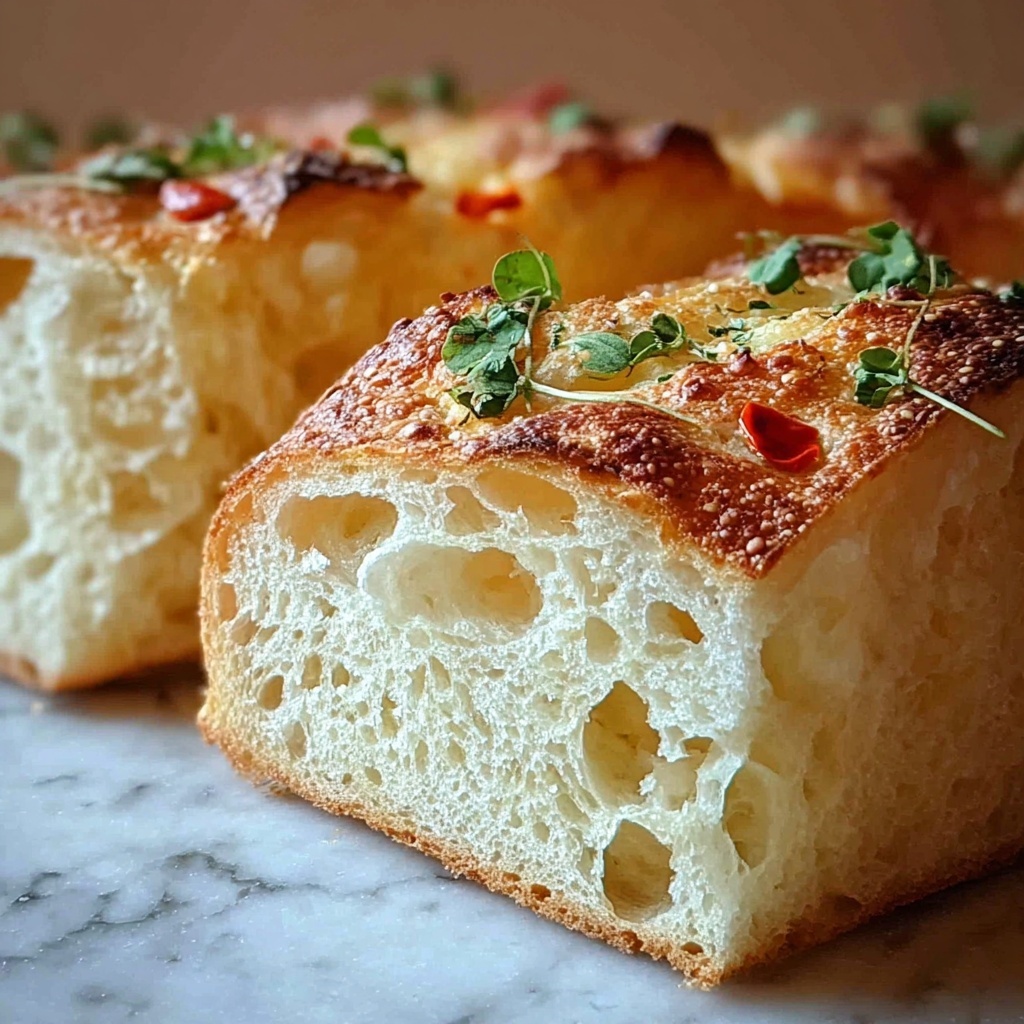
If you’ve ever dreamed of making bakery-quality bread right in your own kitchen, then get ready to fall in love with The Best Ciabatta Recipe. This recipe delivers that iconic Italian bread with its crispy crust, airy crumb, and just the right amount of chewiness that will have you slicing into it fresh from the oven again and again. With a simple sponge starter and straightforward ingredients, you’ll master the techniques to create bread that’s rustic, flavorful, and endlessly versatile. Whether it’s for sandwiches, dipping into olive oil, or just enjoying with butter, this ciabatta will quickly become your go-to homemade bread.
The Best Ciabatta Recipe Ingredients You’ll Need
Ingredients You’ll Need
The magic behind this recipe is how a few simple ingredients come together to create a bread that’s both tender and full of character. Each component plays a crucial role—from the flour that forms the structure, to the yeast that gives it life, to the olive oil that adds a touch of richness and flavor.
- 1 cup all-purpose flour (for sponge): Provides the base for the pre-ferment to develop flavor and texture.
- ½ cup water (room temperature): Hydrates the flour for the sponge to encourage fermentation.
- ⅛ teaspoon active dry yeast (for sponge): A tiny amount to slowly start the fermentation for a complex taste.
- 2 cups all-purpose flour (for dough): The main flour to build the dough’s structure and crumb.
- 1 teaspoon salt: Enhances flavor and strengthens the dough.
- 1 teaspoon sugar: Feeds the yeast to help with rising and boosts browning.
- 1 teaspoon active dry yeast (for dough): The main yeast to bring the dough to life and volume.
- ¾ cup lukewarm water: Warms the dough and activates the yeast for proper fermentation.
- 1 tablespoon olive oil: Adds moisture, richness, and a subtle fruity note that’s classic to ciabatta.
How to Make The Best Ciabatta Recipe
Step 1: Prepare the Sponge
Start by whisking together 1 cup of all-purpose flour, ½ cup of room-temperature water, and ⅛ teaspoon of active dry yeast in a medium bowl. Cover it and let it sit at room temperature for 8 to 12 hours or overnight. This slow fermentation creates a fragrant, bubbly sponge that adds incredible flavor and develops the signature chewy texture. It’s like the secret ambassador of flavor in your dough!
Step 2: Mix the Dough
Into a large bowl, add the sponge along with 2 cups of all-purpose flour, 1 teaspoon salt, 1 teaspoon sugar, 1 teaspoon yeast, ¾ cup lukewarm water, and 1 tablespoon olive oil. Stir everything together with a wooden spoon or a dough hook until the dough becomes very sticky and wet. This wetness is key for that open crumb ciabatta is loved for. Knead the dough either with a stand mixer for 7–8 minutes or by hand for about 10 minutes until it feels elastic but still sticky.
Step 3: First Rise
Cover the dough and let it rest at room temperature for 1½ to 2 hours, until it has doubled in size and looks puffy. This stage allows the gluten to develop and the yeast to create those delicious bubbles and flavors throughout the dough.
Step 4: Shape the Loaves
Flour a clean surface lightly and gently turn out the dough, being careful not to knock out all the air. Divide the dough into two equal parts. Shape each piece into a rough oval or rectangle—don’t worry about perfection here, rustic is the goal! Place the shaped loaves on parchment-lined baking sheets, dust them lightly with flour, and cover with a towel. Let them rise again for 30 to 45 minutes.
Step 5: Bake Your Ciabatta
Preheat your oven to 450°F (230°C) with a baking stone or an inverted baking sheet inside to get it nice and hot. Place a shallow pan on the lower rack for steam. When ready, transfer the parchment with the loaves onto the hot surface and quickly pour 1 cup of hot water into the pan below. This steam will help form a crisp crust. Bake for 20 to 25 minutes until golden brown and the loaves sound hollow when tapped. Let cool on a rack before slicing.
How to Serve The Best Ciabatta Recipe
Garnishes
A simple sprinkle of sea salt or a brush of olive oil just after baking can highlight the bread’s texture and flavor. Fresh herbs like rosemary or thyme, lightly chopped and pressed into the dough before baking, make a lovely aromatic touch too. These little extras bring your loaves to life and accentuate the fresh-baked goodness every time.
Side Dishes
Crispy ciabatta is a perfect companion for a variety of dishes. Serve it alongside rich soups like tomato basil or rustic minestrone, or use it for artisan sandwiches with meats, cheeses, and fresh veggies. For a snack, nothing beats dipping warm ciabatta into high-quality olive oil with a splash of balsamic vinegar.
Creative Ways to Present
Slice your ciabatta horizontally and lightly toast the halves to create delicious bruschetta bases. Top with diced tomatoes, garlic, and basil for a fresh Italian appetizer. You can also cube leftover ciabatta, toast it, and use it for homemade croutons to elevate salads or soups. Embrace creativity; this bread is as versatile as it is delectable!
Make Ahead and Storage
Storing Leftovers
Once completely cooled, store leftover ciabatta in a paper bag or bread box to maintain the crisp crust while preventing sogginess. Avoid plastic bags unless freezing. The bread stays fresh for up to 2 days this way and is great for enjoying the next day for sandwiches or toast.
Freezing
If you want to keep your homemade ciabatta longer, slice it and freeze the pieces in an airtight bag. This makes it easy to grab slices as needed without sacrificing freshness. The bread can be frozen for up to 3 months and still taste fantastic when thawed or toasted.
Reheating
To bring back that fresh-baked texture, reheat slices or loaves in a preheated oven at 350°F (175°C) for 5-8 minutes. You’ll get a revived crusty outside and soft inside just like the day you baked it. For a quick fix, a toaster or toaster oven also works well for individual slices.
FAQs
Can I use bread flour instead of all-purpose flour?
Absolutely, bread flour can make the ciabatta even chewier and with more structure due to its higher protein content. However, all-purpose flour works perfectly and yields a lovely crumb as well.
Why is the dough so sticky? Should I add more flour?
The stickiness is exactly what you want! It creates the open holes and characteristic texture of ciabatta. Resist adding extra flour as it will make the bread dense rather than light and airy.
Can I make this recipe without an oven stone?
Yes, you can use an inverted baking sheet preheated in the oven. The key is to transfer the dough onto a very hot surface and create steam for a crispy crust.
How important is the sponge (biga) step?
The sponge is crucial for developing flavor and texture. It adds depth and a slight tang that elevates the bread beyond just a simple yeast dough. Don’t skip the 8-12 hour fermentation—it’s what makes this truly The Best Ciabatta Recipe.
Can I add herbs or olives to the dough?
Definitely! Adding ingredients like chopped olives, rosemary, or sun-dried tomatoes can personalize the bread and introduce delicious twists. Fold them gently into the dough during mixing to avoid deflating it.
Final Thoughts
There is something so rewarding about pulling The Best Ciabatta Recipe out of your oven—crust crackling, crumb tender, and flavor robust. This recipe combines simple ingredients with patient technique to create a bread that tastes and feels like it belongs in an Italian bakery. I encourage you to try it, savor the process, and share the results with friends and family. Once you do, this will be your cherished homemade bread for years to come.
Print
Delicious Recipe
- Prep Time: 25 minutes
- Cook Time: 25 minutes
- Total Time: 10–14 hours
- Yield: 2 loaves
- Category: Bread
- Method: Baking
- Cuisine: Italian
- Diet: Vegan
Description
This ciabatta recipe yields two rustic, crusty Italian loaves characterized by their signature airy holes and golden brown crust. Using a slow-fermented sponge for deep flavor, the dough is wet and sticky, requiring gentle handling and baking with steam to achieve the perfect chewy texture and crisp exterior.
Ingredients
For the Sponge (Biga)
- 1 cup all-purpose flour
- ½ cup water (room temperature)
- ⅛ teaspoon active dry yeast
For the Dough
- All of the sponge
- 2 cups all-purpose flour
- 1 teaspoon salt
- 1 teaspoon sugar
- 1 teaspoon active dry yeast
- ¾ cup water (lukewarm)
- 1 tablespoon olive oil
Instructions
- Make the sponge: In a medium bowl, stir together 1 cup flour, ½ cup water, and ⅛ teaspoon yeast until combined. Cover and let sit at room temperature for 8–12 hours, or overnight, allowing fermentation to develop flavor and gluten.
- Prepare the dough: Add the sponge to a large mixing bowl with the remaining flour, salt, sugar, yeast, lukewarm water, and olive oil. Mix with a wooden spoon or dough hook until a sticky, wet dough forms. Knead using a stand mixer on medium speed for 7–8 minutes or by hand for about 10 minutes until elastic and very sticky.
- First rise: Cover the bowl with a clean towel and let the dough rise in a warm place for 1 ½ to 2 hours, or until doubled in size. This allows the dough to develop structure despite its high hydration.
- Shape the loaves: Lightly dust a clean surface with flour and gently turn out the dough, taking care to avoid deflating it. Divide into two equal portions and shape each into a rough oval or rectangle. Transfer the shaped dough onto a parchment-lined baking sheet, dust lightly with flour, and cover with a clean kitchen towel.
- Second rise: Allow the shaped loaves to rise again for 30–45 minutes until slightly puffed, which helps achieve the signature light texture inside.
- Preheat the oven: Heat the oven to 450°F (230°C). Place a baking stone or inverted baking sheet on a middle rack and a shallow pan on the lower rack to preheat, which will be used to generate steam for crust development.
- Bake with steam: Transfer the loaves on parchment to the hot baking surface. Quickly pour 1 cup of hot water into the shallow pan below to create steam. Bake for 20–25 minutes until the crust is golden brown and the loaves sound hollow when tapped, ensuring they are fully baked inside.
- Cool: Remove the loaves and cool completely on a wire rack before slicing to prevent a gummy texture.
Notes
- The dough is very wet and sticky, which is essential for the characteristic holes in ciabatta; avoid adding extra flour while kneading.
- For a richer flavor, refrigerate the shaped loaves for up to 12 hours and bake them directly from the fridge.
- Using steam during baking helps achieve a crisp, crackly crust typical of traditional ciabatta.
- Handle the dough gently to preserve the air bubbles formed during fermentation for a light crumb.