
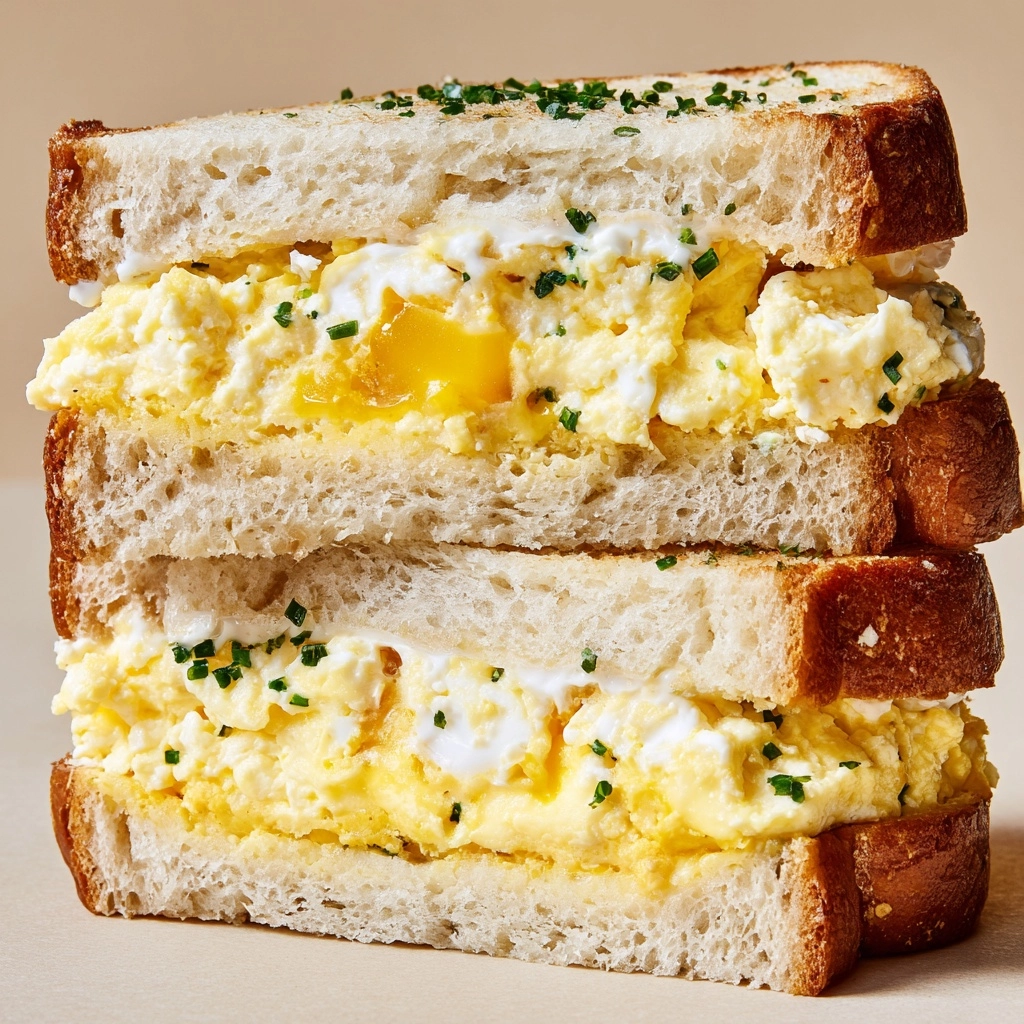
If you have ever craved a sandwich that feels like a warm hug in every bite, the Japanese Egg Sandwich Recipe is here to make that dream come true. This delightfully simple yet irresistibly creamy sandwich combines perfectly boiled eggs with the rich umami of Japanese mayonnaise and the subtle sweetness of soft milk bread, creating a texture and flavor harmony that is truly unforgettable. Whether enjoyed as a snack or a light meal, this recipe captures the essence of Japanese comfort food with every luscious mouthful.
Ingredients You’ll Need
Gathering these straightforward ingredients is the secret to achieving the authentic taste and texture that make this sandwich so beloved. Each item plays a crucial role, from the tenderness of the eggs to the slight tanginess and creaminess of the mayonnaise, and the softness of the bread that holds it all together flawlessly.
- 6 large eggs: The star protein of the sandwich, providing rich flavor and a creamy base when mashed.
- 2 tablespoons Japanese mayonnaise (such as Kewpie): Adds an umami depth and smooth silkiness unlike any regular mayo.
- 1 teaspoon sugar: Balances the flavors with a gentle sweetness that complements the eggs.
- ½ teaspoon salt: Enhances all the flavors without overpowering the delicate egg mixture.
- ¼ teaspoon white pepper: Offers a subtle kick without adding visual specks, keeping the mixture smooth and uniform.
- 4 slices soft white milk bread (shokupan or similar): The fluffy, slightly sweet bread that makes the sandwich uniquely Japanese in texture and taste.
- Softened butter for spreading (optional): Adds a touch of richness and helps create a tender crumb.
How to Make Japanese Egg Sandwich Recipe
Step 1: Boil the Eggs to Perfection
Start by placing your eggs in a saucepan and covering them with cold water. Bring the water to a gentle boil, then lower the heat to let the eggs simmer for 10 minutes. This timing is key for achieving firm-yet-creamy yolks, perfect for mashing and spreading. Once done, immediately transfer the eggs to an ice bath to stop the cooking process and make peeling easier.
Step 2: Peel and Prepare the Eggs
After cooling completely, peel the eggs carefully to avoid tearing the whites. Separate two yolks to mash finely in a small bowl — these can either be mixed back in or kept aside as a garnish for a little texture and extra color. Mash the rest of the eggs and remaining yolks in a mixing bowl until finely chopped but still moist.
Step 3: Mix in Japanese Mayonnaise and Seasonings
Now, fold in the star ingredient: Japanese mayonnaise. Add the sugar, salt, and white pepper, stirring gently but thoroughly to create a luxuriously creamy egg mixture. This blend of seasonings perfectly balances sweet and savory without overwhelming the delicate egg flavor.
Step 4: Butter and Assemble the Sandwich
If you want to elevate the sandwich’s richness, spread softened butter lightly on each slice of your soft milk bread. Then, generously spread the egg mixture onto two slices of bread, topping them with the remaining two slices. Trim the crusts for that classic Japanese presentation, and cut into halves or thirds — the neatness is part of the charm.
Step 5: Ready to Serve
Chilling the assembled sandwiches slightly before serving enhances the creaminess and melds the flavors beautifully, though room temperature works perfectly well too. These sandwiches are best enjoyed fresh, bringing out their tender softness and melt-in-the-mouth deliciousness.
How to Serve Japanese Egg Sandwich Recipe

Garnishes
A sprinkle of finely chopped chives or a few thin slices of cucumber can add a refreshing crunch that contrasts so nicely with the creamy egg filling. For an elegant touch, a little paprika or microgreens can brighten the plate and elevate the dish visually and flavor-wise.
Side Dishes
Pair your Japanese Egg Sandwich with a simple green salad dressed lightly with sesame oil and soy sauce to keep with the Japanese theme. Pickled vegetables or a bowl of miso soup also work wonderfully, balancing the rich sandwich with bright, fresh, and savory elements.
Creative Ways to Present
Transform the classic presentation by cutting the sandwiches into small bite-sized triangles for parties or lunch boxes. Alternatively, adding a thin layer of avocado or a sprinkle of toasted sesame seeds inside adds an unexpected twist to this beloved recipe without losing its heartwarming appeal.
Make Ahead and Storage
Storing Leftovers
If you have any leftovers, wrap the sandwich tightly in plastic wrap to keep the bread from drying out and store it in the refrigerator. It’s best consumed within the same day to maintain its soft texture and fresh flavor.
Freezing
While you can freeze the egg mixture itself, freezing the fully assembled sandwich is not recommended as the bread will become soggy upon thawing. Prepare the filling ahead and keep bread separate if you plan to freeze portions for convenience.
Reheating
This sandwich is best enjoyed cold or at room temperature, as reheating can change the texture of the bread and egg filling. If you prefer a warm sandwich, lightly toast the bread slices before spreading the filling fresh.
FAQs
Can I use regular mayonnaise instead of Japanese mayonnaise?
While regular mayonnaise can be a substitute, Japanese mayonnaise like Kewpie has a unique umami flavor and creamier texture that makes a noticeable difference in the authentic taste of the Japanese Egg Sandwich Recipe.
Why do I need to trim the crusts?
Trimming the crusts is a classic step in Japanese egg sandwiches, giving them a neat, delicate appearance and enhancing the soft, uniform bite that’s so beloved in this dish.
Is the sandwich best served chilled or warm?
Chilled or room temperature servings are traditional as they highlight the creamy texture and gentle flavors of the egg filling. However, some enjoy it slightly warmed for a cozy twist.
Can I add other ingredients to the egg mixture?
Yes, though the traditional Japanese Egg Sandwich Recipe focuses on simplicity, small additions like finely chopped herbs, a touch of mustard, or diced cucumbers can personalize it without losing its essence.
What type of bread works best?
Soft, fluffy white milk bread (shokupan) is ideal because of its tender crumb and slight sweetness. Avoid crusty or dense breads to maintain the sandwich’s signature lightness.
Final Thoughts
There is something truly special about the Japanese Egg Sandwich Recipe that makes it feel like a little joy wrapped in bread. Its perfect balance of creamy, sweet, and savory flavors, paired with the ethereal softness of milk bread, invites you to pause, savor, and smile. I can’t wait for you to try it and discover why this humble sandwich holds such a beloved place in hearts all over Japan.
Print
Japanese Egg Sandwich Recipe
- Prep Time: 10 minutes
- Cook Time: 10 minutes
- Total Time: 20 minutes
- Yield: 2 sandwiches
- Category: Snack
- Method: Boiling
- Cuisine: Japanese
- Diet: Vegetarian
Description
The Japanese Egg Sandwich, or Tamago Sando, is a classic Japanese snack featuring soft, fluffy white milk bread layered with a creamy, savory egg salad made with Japanese mayonnaise. This simple yet delicious sandwich highlights the rich umami flavor of Kewpie mayo and the delicate texture of softly boiled eggs, making it an irresistible treat perfect for any time of day.
Ingredients
Egg Mixture
- 6 large eggs
- 2 tablespoons Japanese mayonnaise (such as Kewpie)
- 1 teaspoon sugar
- ½ teaspoon salt
- ¼ teaspoon white pepper
Bread and Extras
- 4 slices soft white milk bread (shokupan or similar)
- Softened butter for spreading (optional)
Instructions
- Boil the eggs: Place the eggs in a saucepan and cover them with cold water. Bring the water to a boil, then reduce the heat and let the eggs simmer for 10 minutes to achieve a fully cooked, firm texture.
- Cool and peel: Immediately transfer the boiled eggs to an ice bath to stop cooking and cool completely. Once cooled, peel the eggs carefully, then separate 2 yolks and mash them finely in a small bowl to use as garnish or mix-in for texture.
- Prepare the egg mixture: In a mixing bowl, mash the remaining peeled eggs including the other yolks until finely chopped. Stir in the Japanese mayonnaise, sugar, salt, and white pepper until the mixture is creamy and smooth.
- Butter the bread (optional): Lightly spread softened butter on the four slices of milk bread to add richness and moisture, enhancing the sandwich texture.
- Assemble the sandwich: Generously spread the creamy egg mixture onto two slices of bread. Top each with the remaining slices to form sandwiches. For a traditional presentation, trim the crusts from the sandwiches and cut each into halves or thirds.
- Serve: Enjoy the sandwiches chilled or at room temperature for the best flavor and texture.
Notes
- Use only soft, fluffy white milk bread with no toasting for an authentic Japanese texture and mouthfeel.
- Kewpie Japanese mayonnaise is recommended for its unique umami depth and creaminess; avoid substituting with regular mayonnaise where possible.
- Trimming the crusts and cutting into smaller portions is traditional and enhances presentation.
- Enjoy the sandwich immediately after preparation or keep chilled for a short time if making ahead.