
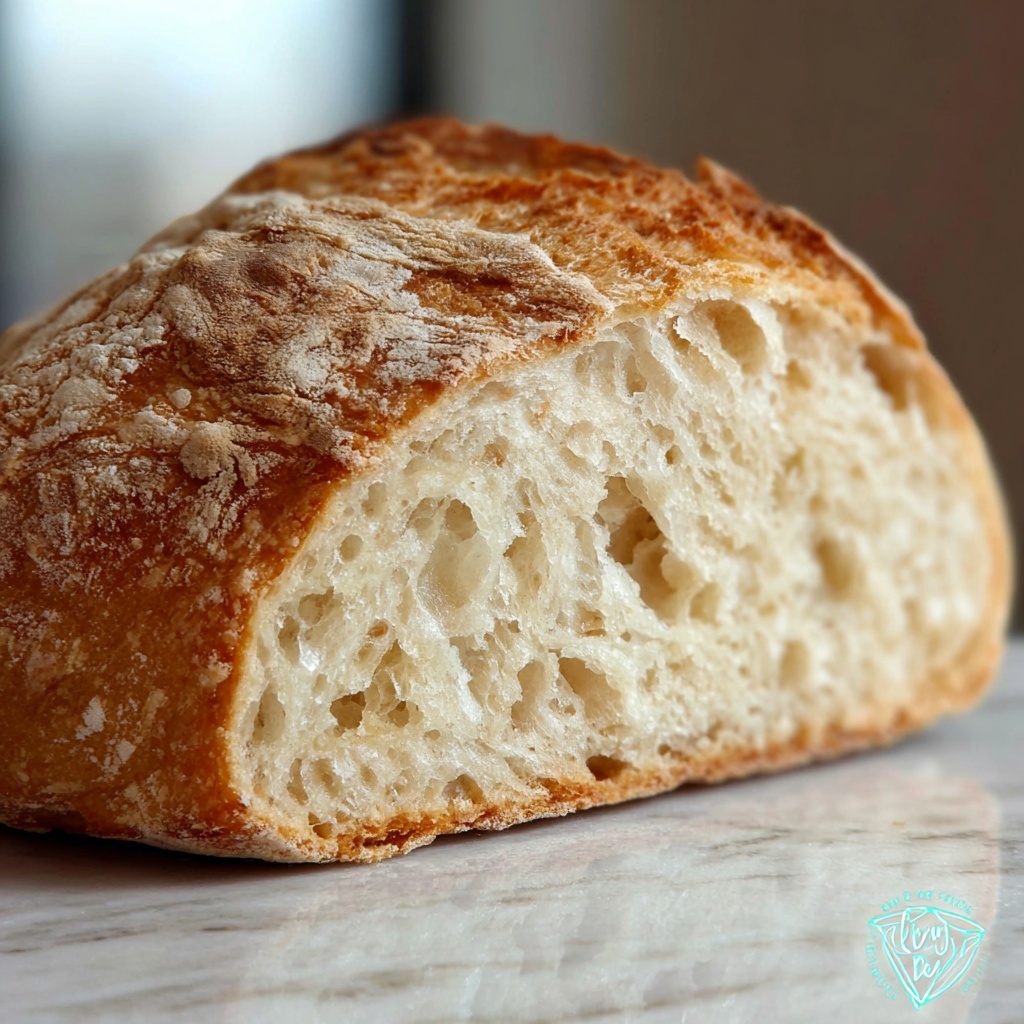
If you’ve ever wanted to capture the magic of baking your own loaf at home, this Beginner’s Sourdough Bread Recipe is the perfect place to start. It combines simple ingredients with a little patience to create a crusty, tangy, and utterly delicious bread that will fill your kitchen with irresistible aromas. Whether you’re new to sourdough or just looking for a trustworthy go-to, this recipe guides you through every step with warmth and ease, turning what can seem intimidating into a true baking joy.
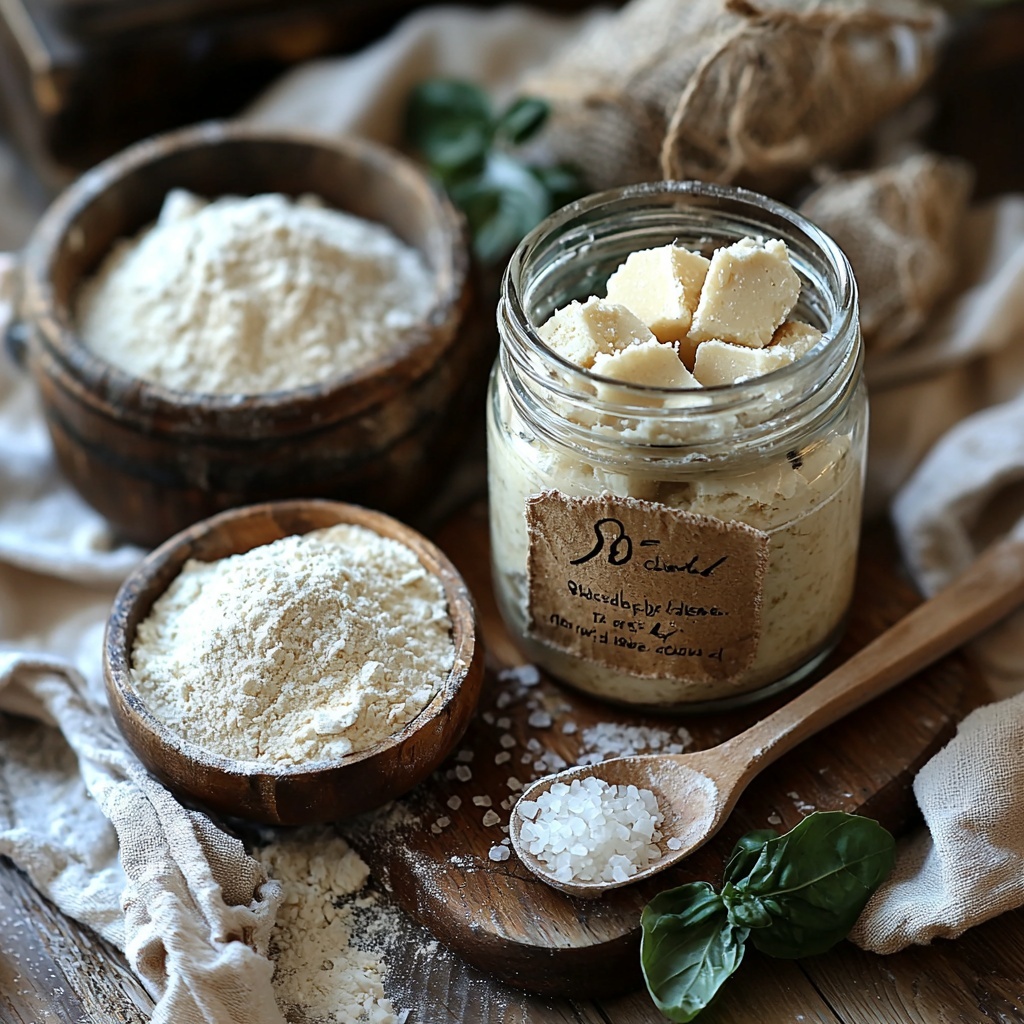
Ingredients You’ll Need
The beauty of this Beginner’s Sourdough Bread Recipe lies in its simplicity — just a handful of ingredients that come together to create that signature chewy crumb and crisp crust. Each one plays a vital role, from the active starter that gives the bread its flavor and leavening power, to the salt that balances the tang and enhances the overall taste.
- Active Sourdough Starter: Provides natural yeast and bacteria essential for rising and that classic sourdough tang.
- All-Purpose Flour: Gives structure and body to the loaf; sifting it helps keep the texture light and airy.
- Warm Water: Hydrates the flour and activates the starter for a well-developed dough.
- Salt: Enhances flavor while controlling fermentation speed for the perfect crumb.
How to Make Beginner’s Sourdough Bread Recipe
Step 1: Mix Starter and Water
Start by whisking together your active sourdough starter and warm water in a non-metal bowl. This blend wakes up the natural yeast, setting the stage for a lively, airy dough. Mixing these two first ensures even hydration, which is crucial for texture.
Step 2: Add Flour and Salt
Gradually sprinkle in the sifted flour along with the salt. Stir gently to create a wet dough. The wetness might feel a bit sticky at first — that’s exactly what you want! It helps develop gluten and gives the bread its tender crumb.
Step 3: First Rise
Cover your bowl with a damp towel or plastic wrap, then tuck it away in a warm spot. Let it rise for about two hours until the dough doubles in size. This rest helps the flavors meld while the yeast gently works its magic.
Step 4: Stretch and Fold
Instead of traditional kneading, your dough will benefit from a series of stretch-and-folds. Gently pull the dough’s edges and fold them over the center several times over this period, allowing for additional rises in between. This technique builds strength and elasticity without deflating the dough.
Step 5: Shape and Refrigerate
Next, shape your dough into a smooth round loaf. Once shaped, pop it in the refrigerator for 4 to 8 hours. This slows fermentation, intensifying flavor and making the dough easier to score and bake.
Step 6: Preheat Oven with Dutch Oven
About 30 minutes before baking, preheat your oven to 400°F (200°C) with a Dutch oven inside. This step is crucial for creating steam, which helps develop the bread’s crisp crust.
Step 7: Score and Bake
Carefully remove the chilled dough and score the top with a sharp blade. Place it inside the hot Dutch oven, cover, and bake for 25 minutes. Then remove the lid and bake for an additional 25 minutes until the loaf turns a beautiful golden brown.
Step 8: Cool Before Slicing
Allow your loaf to cool fully on a wire rack before slicing. Cooling sets the crumb and makes slicing easier, so be patient — the wait is absolutely worth it!
How to Serve Beginner’s Sourdough Bread Recipe
Garnishes
Nothing beats a classic slather of high-quality butter or a drizzle of olive oil sprinkled with sea salt flakes. Fresh herbs like rosemary or thyme also make lovely, simple garnishes that complement the tangy flavor beautifully.
Side Dishes
This sourdough pairs wonderfully with hearty soups, creamy cheeses, or even avocado toast toppings. It’s a versatile loaf that shines alongside nearly anything — whether it’s a light salad or a rich stew, this bread is always ready to elevate your meal.
Creative Ways to Present
For a more festive touch, slice the bread thick and brush each side with garlic butter before toasting. Or transform it into bruschetta using fresh tomatoes, basil, and a splash of balsamic glaze. Your Beginner’s Sourdough Bread Recipe will quickly become the star of any table!
Make Ahead and Storage
Storing Leftovers
To keep your bread fresh, store it in a paper bag at room temperature — this allows the crust to stay crisp while preventing the crumb from drying out. Avoid plastic bags if you want to preserve that perfect crunch.
Freezing
If you want to keep your loaf longer, slice it and place the pieces in an airtight freezer bag. Frozen sourdough retains its flavor and texture wonderfully, ready to be toasted and enjoyed whenever you like.
Reheating
When it’s time to eat, warm slices gently in a toaster or oven to revive the crispness of the crust and softness inside. This quick step turns leftover bread into a delightful treat that tastes freshly baked.
FAQs
What if my sourdough starter isn’t very active?
Make sure your starter is bubbly and has been recently fed before using. If it’s sluggish, give it a few feedings at room temperature to wake it up. Using a lively starter is key for a good rise in this Beginner’s Sourdough Bread Recipe.
Can I use whole wheat flour instead of all-purpose?
Absolutely! You can substitute part or all the flour with whole wheat for a nuttier flavor and denser texture. Just be aware that whole wheat absorbs more water, so you might need to adjust the hydration slightly.
How important is the stretch-and-fold technique?
It’s essential for developing gluten strength without traditional kneading, which this recipe avoids. Stretch-and-fold improves dough structure and helps create the lovely open crumb that makes sourdough so special.
Do I really have to refrigerate the dough overnight?
While not mandatory, refrigerating the dough for several hours enhances flavor complexity and makes the loaf easier to handle. It’s a step that turns a good bread into an exceptional one in this Beginner’s Sourdough Bread Recipe.
Can I bake this bread without a Dutch oven?
You can, but a Dutch oven traps steam, crucial for a crispy crust and oven spring. If you don’t have one, try creating steam by placing a pan of water in the oven or misting the dough before baking, although results might vary.
Final Thoughts
There’s something truly special about pulling a golden loaf of sourdough out of the oven, and this Beginner’s Sourdough Bread Recipe makes that moment accessible to everyone. With just a handful of straightforward steps and ingredients, you’ll be enjoying fresh homemade bread that tastes like a labor of love. Go ahead, give it a try — your future self will thank you with every delicious slice!
Print
Beginner’s Sourdough Bread Recipe
- Prep Time: 10 minutes
- Cook Time: 50 minutes
- Total Time: 2 hours 10 minutes rising + 4 to 8 hours refrigeration + 50 minutes baking (active time about 1 hour 10 minutes)
- Yield: Approximately 12 servings
- Category: Bread
- Method: Baking
- Cuisine: French
- Diet: Vegetarian
Description
This Beginners Sourdough Bread Recipe guides you through making a classic, rustic loaf with a crispy crust and chewy interior using simple ingredients and traditional sourdough techniques. Perfect for bread enthusiasts starting their sourdough journey.
Ingredients
Primary Ingredients
- 2 cups Active Sourdough Starter (400 grams)
- 3 cups Sifted All-Purpose Flour (360 grams)
- 1 cup Warm Water (240 grams)
- 1.5 teaspoons Salt (≈9 grams)
Instructions
- Mix Starter and Water: In a non-metal mixing bowl, combine the active sourdough starter and warm water; whisk until well mixed to create a uniform base for the dough.
- Add Flour and Salt: Gradually incorporate sifted all-purpose flour and salt into the starter mixture to form a wet dough, ensuring ingredients are evenly distributed.
- First Rise: Cover the bowl and let the dough rise in a warm place for about two hours until it doubles in size, allowing fermentation to develop flavor and texture.
- Stretch and Fold: Perform a series of stretch-and-folds over several rounds during the rising period to strengthen the gluten network and improve dough structure.
- Shape and Refrigerate: Shape the dough into a round loaf and place it in the refrigerator to rest for 4 to 8 hours, enhancing flavor and making it easier to handle.
- Preheat Oven with Dutch Oven: Preheat your oven to 400°F (200°C) with a Dutch oven inside to create a steamy environment for baking, crucial for a crisp crust.
- Score and Bake: Score the top of your dough to allow for controlled expansion and bake it covered in the Dutch oven for 25 minutes, then uncover and bake for another 25 minutes until the crust turns golden brown.
- Cool: Remove the bread from the oven and let it cool completely on a wire rack before slicing to ensure the crumb sets properly.
Notes
- Using a Dutch oven helps create steam which is essential for developing a crispy crust.
- The refrigeration step enhances the flavor of the bread by allowing a slow fermentation.
- Scoring the dough before baking prevents uncontrolled bursting and gives the bread an attractive look.
- Ensure the sourdough starter is active and bubbly for the best rise and flavor.
- Allowing the bread to cool completely before slicing improves texture and prevents gummy slices.